
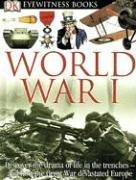
World War I (DK Eyewitness Books)
No romance or no physical intimacy at all.
Closed door. No anatomical or crude language.
Estimated from the blurb · 0 reader votes
Tropes
None listed yet.
Content warnings
Blurb
New Look! Relaunched with new jackets and 8 pages of new text!Here is an original and exciting guide to the grim challenge of life or death on the Western Front. Devastating first-hand reports and contemporary photographs of the battles that slaughtered millions, together with a clear account of how nation upon nation sent their men to join the carnage, combine to present a dramatic "eyewitness" view of this most terrible war. See the bullet-riddled car of the heir to the throne of Austria-Hungary, everyday life in the dugout, sappers mining tunnels beneath the enemy, and Mata Hari learning the art of spying. Learn how people avoided gas attacks, when periscopes were used, what soldiers wrote home to their sweethearts and mothers, the best way to use a tank, how troops flattened a hillside, and the meaning of Armistice Day. Discover how it felt to go over the top, what happened to all the bodies, how people dealt with shell shock, why war led to revolution, and much, much more.
Read it? Rate it
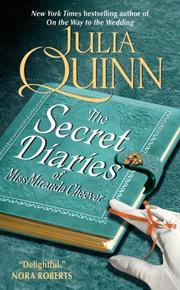
The Secret Diaries of Miss Miranda Cheever
Keeps the period-detail pleasure of history but shifts to a personal Regency love story, with grief and tenderness instead of battlefield reporting.

The Bridgertons
Another history-flavored escape, though warm and domestic rather than grim; family bonds replace trench-level detail.
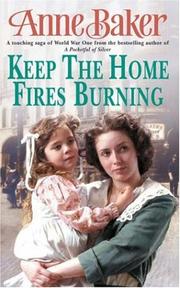
Keep the Home Fires Burning
Same wartime home-front world of loss and rationing, but told as a warm romantic saga about survivors rather than battlefield reportage.

Selection Series 4-Book Collection
Trades trench history for palace romance; keeps the sense of ordinary people swept up by a nation's rules, far lighter and hopeful.

Selection Series 3-Book Collection
Another look at a rigid society deciding young people's fates, though the stakes are courtship and gowns instead of gas attacks.
For better, for worse
Same Great War setting and sense of mass loss, told through one widow's grief and class conflict rather than photographs and facts.