
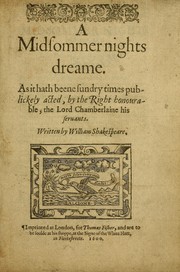
A Midsummer Night's Dream
No romance or no physical intimacy at all.
Closed door. No anatomical or crude language.
Estimated from the blurb · 0 reader votes · Ending HEA
Tropes
Content warnings
None listed. Readers can add them below.
Blurb
Four young lovers flee to the forest to escape the constraints of society and follow their hearts. Meanwhile, a group of amateur actors rehearses a play in the same forest, unaware that they are about to become entangled in the whims of the fairy king and queen, Oberon and Titania. When Oberon decides to meddle in the affairs of the mortals, chaos ensues as love potions are mistakenly applied, causing desires to run amok and identities to become confused. A Midsummer Night’s Dream is one of Shakespeare’s most beloved comedies and a testament to his timeless sense of humour and imagination. WILLIAM SHAKESPEARE [1564-1616], born in Stratford-upon-Avon in Warwickshire, England, is known as the greatest playwright of all time, with his name attached to a long line of immortal plays, including Othello, Romeo & Juliet, Hamlet, King Lear, and Macbeth.
Read it? Rate it

A Curse for True Love
Same tangle of fae meddling, mismatched affections and memory-altered love, but darker and bloodier than the comic forest chaos.
As You Like It
Another forest-escape comedy of tangled lovers, disguise and mistaken identity ending happily, but the chaos comes from human wit rather than fairy magic.
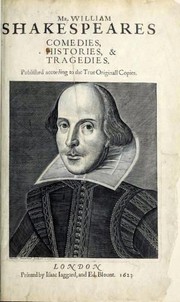
Plays (36)

Selection Series 4-Book Collection
Keeps the love-triangle and forbidden-match pull across class lines, though the whimsy is traded for palace politics and slow-burn yearning.

Selection Series 3-Book Collection
Another courtship contest built on competing suitors and rank-crossing romance; lighter on magic, heavier on slow-burn court intrigue.

The Mirror of Infinite Endings
Fae bargains rewriting desire and reality echo Oberon's potion games, but the tone is moodier and the stakes personal rather than farcical.