

Love Theoretically
A few open-door scenes, described but not lingered on.
Direct. Plain anatomical words, moderately crude dialogue.
Estimated from the blurb · 0 reader votes · Ending HEA
Tropes
Content warnings
None listed. Readers can add them below.
Blurb
Rival physicists collide in a vortex of academic feuds and fake dating shenanigans in this delightfully STEMinist romcom from the New York Times bestselling author of The Love Hypothesis and Love on the Brain. The many lives of theoretical physicist Elsie Hannaway have finally caught up with her. By day, she’s an adjunct professor, toiling away at grading labs and teaching thermodynamics in the hopes of landing tenure. By other day, Elsie makes up for her non-existent paycheck by offering her services as a fake girlfriend, tapping into her expertly honed people-pleasing skills to embody whichever version of herself the client needs. Honestly, it’s a pretty sweet gig—until her carefully constructed Elsie-verse comes crashing down. Because Jack Smith, the annoyingly attractive and arrogant older brother of her favorite client, turns out to be the cold-hearted experimental physicist who ruined her mentor’s career and undermined the reputation of theorists everywhere. And he’s the same Jack Smith who rules over the physics department at MIT, standing right between Elsie and her dream job. Elsie is prepared for an all-out war of scholarly sabotage but…those long, penetrating looks? Not having to be anything other than her true self when she’s with him? Will falling into an experimentalist’s orbit finally tempt her to put her most guarded theories on love into practice?
Read it? Rate it

Love on the Brain
Same STEMinist academia banter and nemesis-to-lovers pairing, minus the fake dating and with more forced-proximity fieldwork and a he-falls-first hero.

The Love Hypothesis
The original fake-dating lab romance that set the template: same grumpy scientist energy, slightly lighter and lower-stakes career angst.
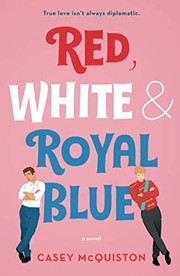
Red, White & Royal Blue
Also enemies-to-lovers with fake-public-couple pressure and witty banter, but queer, political, and more emotionally intense than campus comedy.
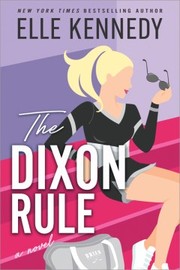
The Dixon Rule
Fake relationship plus forced proximity with a cocky athlete instead of a physicist; funnier, and noticeably spicier on the page.

The Graham Effect
Keeps the grumpy-sunshine rivalry and slow burn, swaps academia for competitive hockey and turns up the heat level.

A Court of Thorns and Roses
Shares the prickly slow-burn hostility-to-desire arc, but trades campus comedy for dark fae peril and violence.